1. Introduction
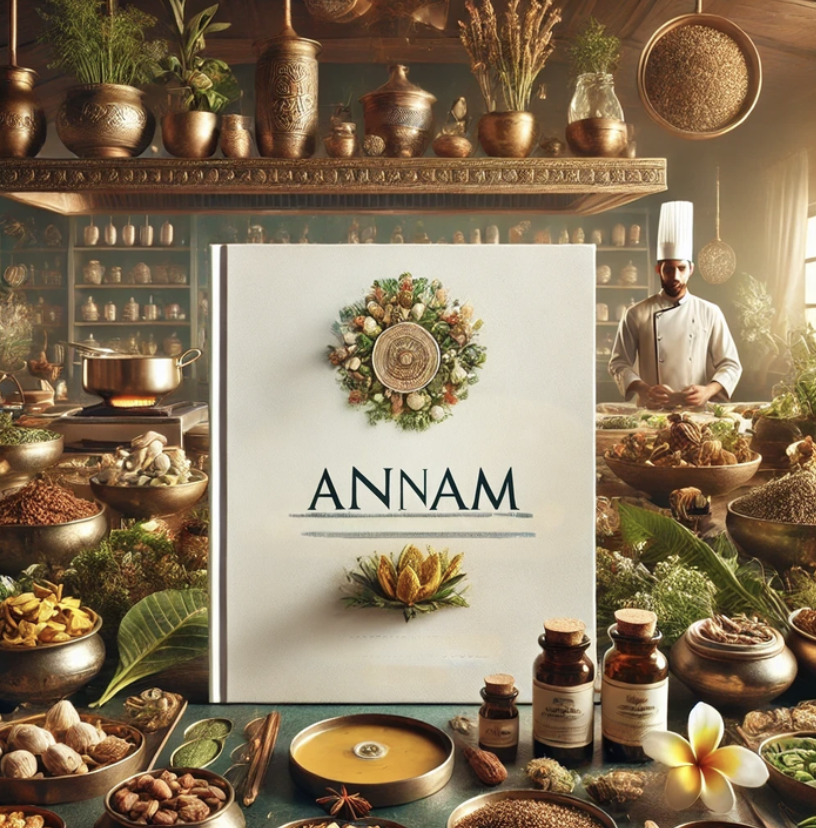
Ayurveda emphasizes the importance of food similar to medicine, advocating a diet that aligns with individual doshas and enhances overall well-being. However, there is a lack of standardized, high-nutritional Ayurvedic meal options in hospitals, restaurants, and wellness centers. The ANNAM project proposes the development of a Model Ayurvedic Kitchen, which will serve as an innovation hub for designing, preparing, and standardizing high-nutritional Ayurveda-compliant meals. Additionally, the project will establish a certification program that ensures Ayurveda-based food establishments adhere to high nutritional and medicinal food preparation standards.
The Environment Forum of the ARISE Committee proposes the Ayurvedic Nutrition and Nourishment Accreditation Module (ANNAM) to address these challenges. This program aims to establish a Model Ayurvedic Kitchen, develop a certification system, and set nutritional standards to ensure that Ayurvedic dietary principles are upheld across institutions.
2. Objectives
- Develop Ayurveda-Based High-Nutritional Meals: Formulate meals that follow Ayurvedic principles while ensuring a balanced intake of essential nutrients. – Establish a Standardization & Certification Program: Set benchmarks for nutritional and medicinal value in Ayurveda-compliant meals. – Create a Model Kitchen as a Training & Research Hub: Develop a space where Ayurvedic chefs, dietitians, and practitioners can learn and experiment with recipes. – Encourage Adoption in Ayurveda Hospitals & Restaurants: Promote standardized meals in Ayurvedic hospitals, wellness retreats, and organic restaurants. – Raise Awareness About Ayurvedic Nutrition: Educate the public, chefs, and healthcare professionals about the benefits of Ayurvedic nutritional standards.
3. Phase-Wise Implementation
Phase 1: Establishing the Model Ayurvedic Kitchen – Location Selection: Choose a strategic location with access to fresh, organic, and Ayurvedic
ingredients.
- Kitchen Setup: Install Ayurveda-compliant cooking tools and techniques (e.g., clay pots, wooden ladles, slow-cooking methods).
- Ensure hygienic, eco-friendly, and sustainable food preparation practices.
- Create separate cooking sections based on dosha-specific dietary requirements. Team Formation: Appoint Ayurvedic nutritionists, chefs, herbalists, and food scientists. – Train staff in Ayurvedic food principles and cooking techniques.
Phase 2: Recipe Development & Documentation
- Research and Development: Develop meal plans based on dosha types (Vata, Pitta, Kapha) and health conditions.
- Ensure balanced nutrition while adhering to Ayurvedic food compatibility rules.
- Documentation: Standardize recipes with exact ingredient proportions, cooking methods, and health benefits.
- Create manuals, e-books, and video guides for Ayurveda-based meal preparation.
- Scientific Validation: Collaborate with nutritionists and dietitians to analyze the macronutrient and micronutrient content.
- Ensure recipes meet recommended dietary guidelines for specific health concerns.
Phase 3: Certification & Training Program
- Certification Program: Launch the ‘Certified Ayurvedic Nutrition Kitchen’ (CANK) standard.
- Define certification criteria based on nutritional quality, Ayurvedic principles, ingredient sourcing, and hygiene standards.
- Offer certification to Ayurveda hospitals, restaurants, and wellness centers.
- Training Programs: Conduct hands-on training workshops for chefs, dietitians, and Ayurveda practitioners.
- Offer online courses and instructional videos on Ayurvedic meal preparation.
- Provide a structured curriculum on Ayurvedic dietary principles and food therapeutics.
4. Expected Outcomes & Benefits
- Improved Nutritional Standards in Ayurveda-Based Establishments: Enhancing the credibility of Ayurvedic meals in hospitals, restaurants, and retreats.
- Standardized Ayurveda-Compliant Meal Plans: Offering authentic, research-backed dietary solutions.
- Greater Consumer Trust in Ayurvedic Food Offerings: A certification program adds credibility, making Ayurvedic diets more accessible and acceptable.
- Creation of Employment & Business Opportunities: Supporting chefs, nutritionists, and Ayurveda professionals through training and employment.
- Promoting Ayurvedic Dietary Principles Globally: Increasing awareness and adoption of Ayurveda-based nutritional science.
5. Conclusion & Next Steps
ANNAM is a transformative initiative integrating Ayurvedic nutrition, sustainability, and certification. The project will establish a national and international standard for Ayurveda-based nutrition and ensure a healthier dietary system for Ayurveda institutions. Through research, training, and industry partnerships, ANNAM will make Ayurvedic nutrition more structured, widely accepted, and globally recognized.