Ayurveda Grows When People Grow Together
Ayurveda has flourished for thousands of years because it was built on collaboration. From the ancient gurukula tradition to community-based knowledge-sharing, the science thrived through collective learning. But in today’s rapidly evolving healthcare world, Ayurveda faces new challenges—expanding patient needs, scientific expectations, global scrutiny, and the need for large-scale clinical validation. In this landscape, Ayurveda cannot grow through fragmented efforts.
It needs unified action, shared responsibility, and strong partnerships across hospitals, practitioners, students, researchers, industries, and policymakers.
This is why collaboration is not optional—it is essential. When institutions share insights, researchers exchange findings, and clinicians learn from each other’s experiences, Ayurveda becomes stronger, more organized, and more widely respected.
Building a Connected Ayurvedic Ecosystem Across India
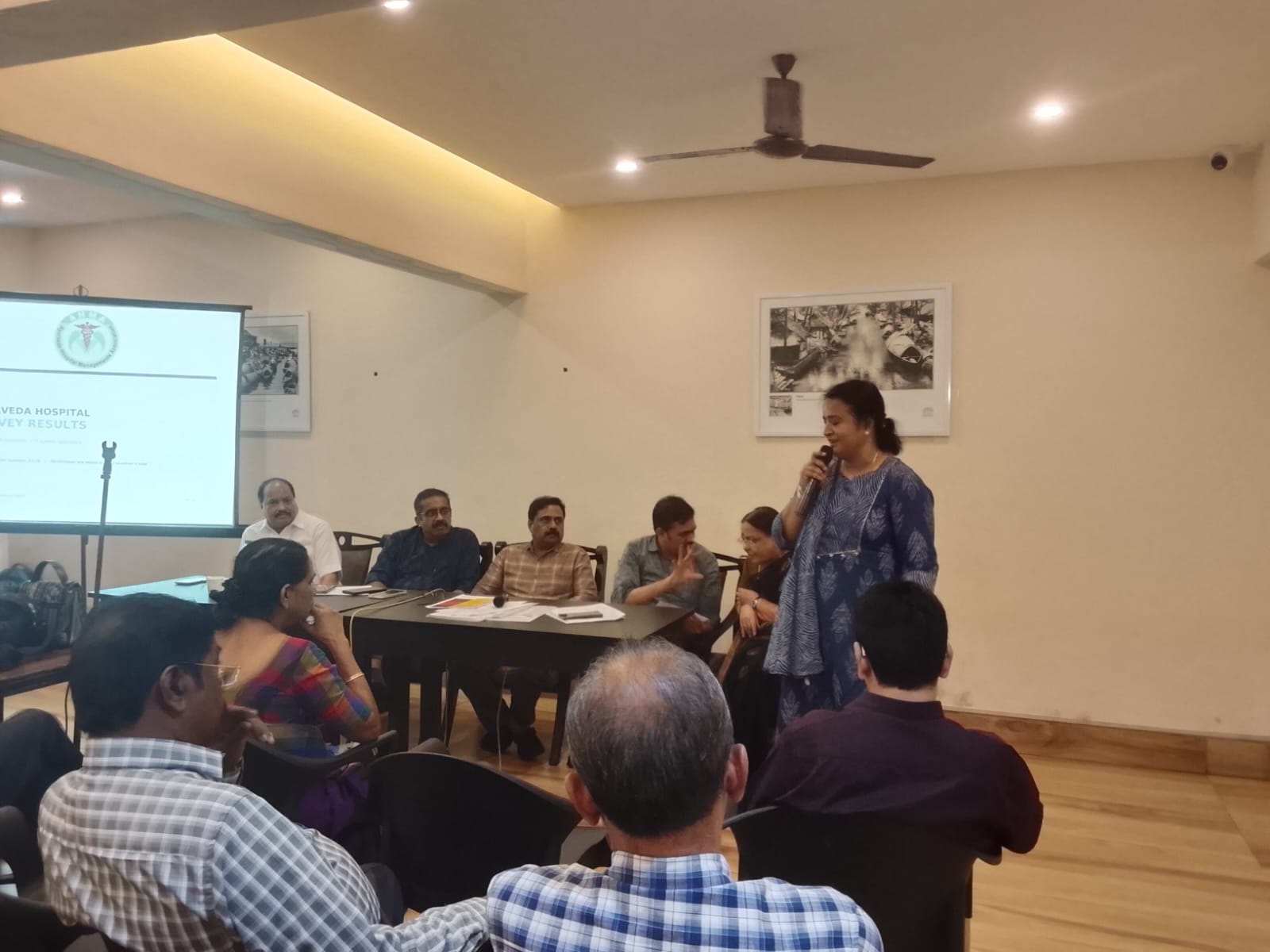
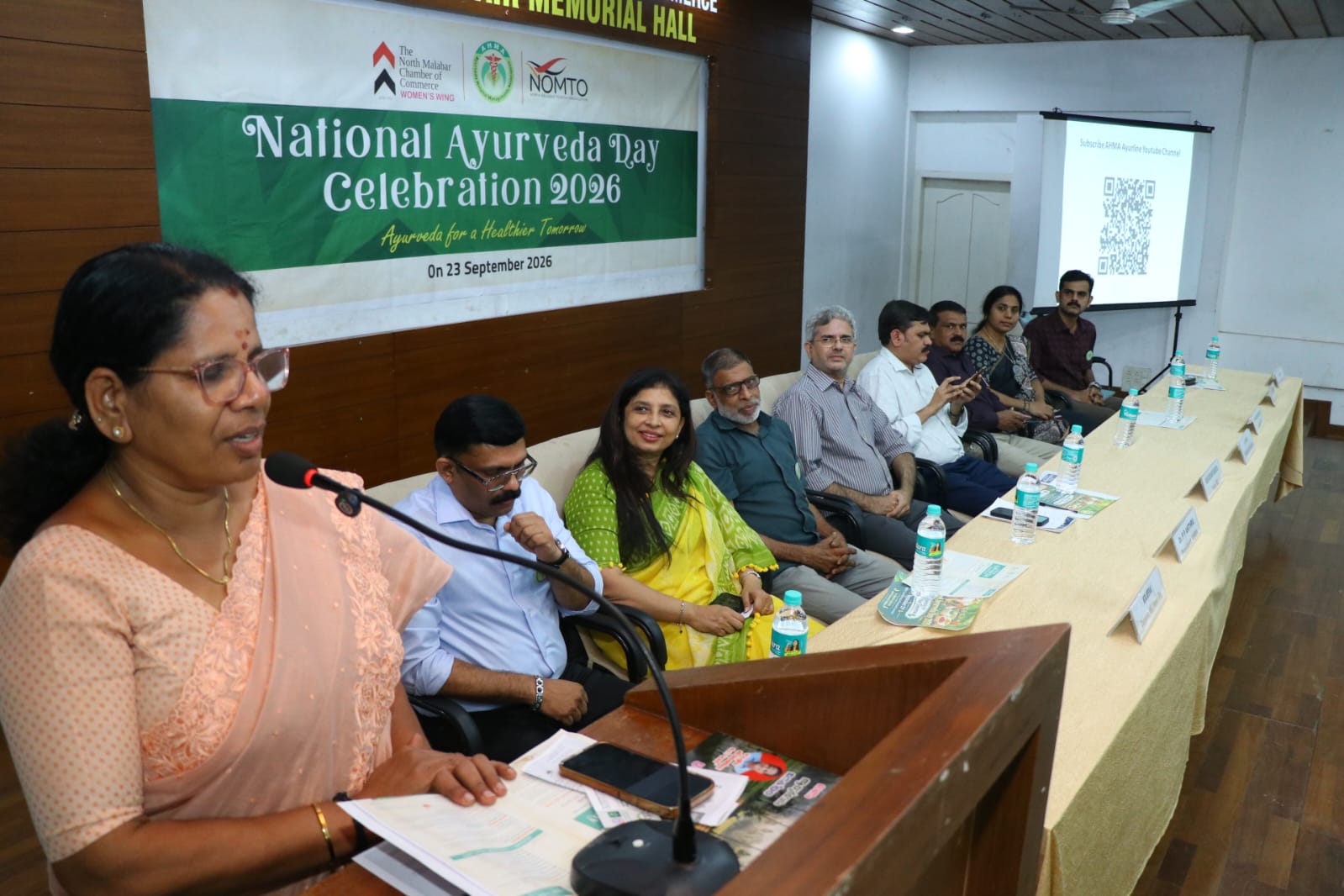
AHMA India plays a central role in forming this integrated ecosystem. The organization works as a national platform that connects hospitals, academic institutions, government bodies, and research organizations to ensure streamlined progress across the sector. Through conferences, policy forums, management support, and regular knowledge-exchange programs, AHMA prevents Ayurveda from functioning as isolated units and instead promotes a unified healthcare network.
This collaborative approach enhances:
- Postgraduate learning through university tie-ups
- Clinical research through partnerships with research institutions
- Medicinal plant availability through agricultural collaborations
- Therapy and pharmacy quality through shared SOPs
- Hospital management practices through collective training
These bridges uplift every level of Ayurveda—from seed cultivation to patient care—ensuring that the entire value chain grows together.
Innovation, Research & Global Visibility Through Collaboration
Innovation in Ayurveda becomes possible only when expertise from multiple fields interacts. AHMA’s research initiative ARISE helps combine clinical experience from various hospitals into multi-centric studies that produce large-scale, scientifically acceptable data. This strengthens Ayurveda’s global standing and invites more international interest.
Meanwhile, conferences, seminars, and global partnerships expose practitioners and students to emerging technologies, digital health integration, new formulations, safer therapy techniques, and outcome-based research methodologies. This shared learning creates a generation of Ayurvedic professionals who are confident, innovative, and globally aware.
When hospitals choose collaboration over competition, Ayurveda evolves into a stronger, more credible healthcare system. Knowledge flows freely, advancements spread faster, and treatment outcomes improve nationwide. More importantly, collaboration inspires innovation—helping Ayurveda receive the global respect it has always deserved.